
Managing Heat Stress During the Brooding Season in Broilers
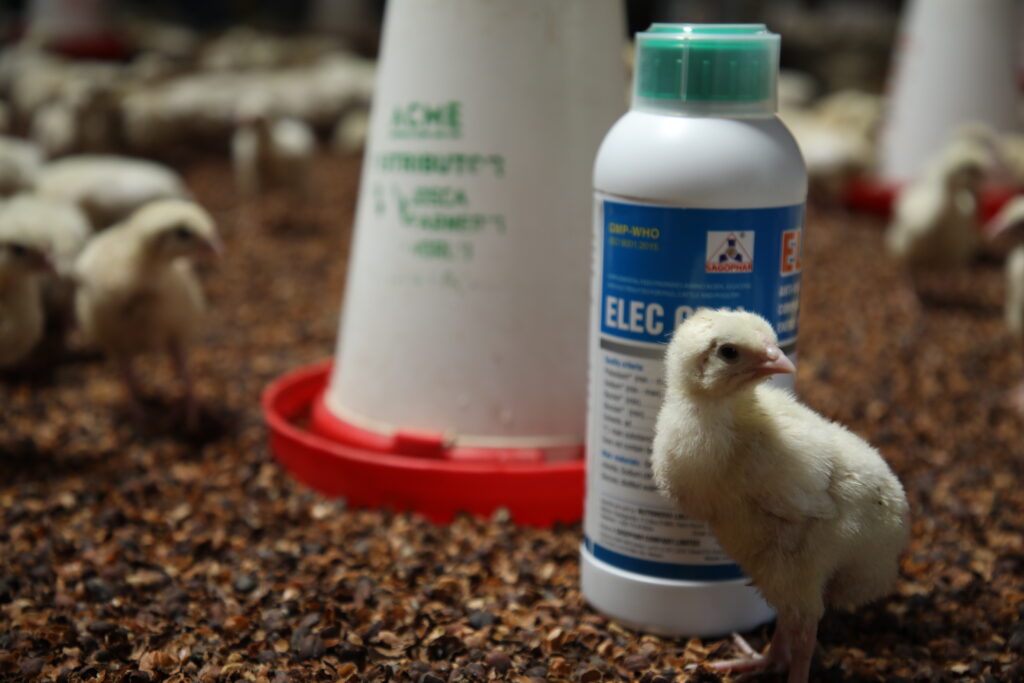
How better heat control, clean water, and electrolyte support can help chicks start stronger.
Brooding is one of the most delicate stages in poultry farming. Whether you are raising broilers, layers, or breeders, the first few weeks determine how well the birds will grow, feed, resist stress, and perform later in life. During brooding, all chicks require heat. This heat is necessary because young birds cannot fully regulate their own body temperature. However, when brooding heat is not properly managed, the same heat meant to protect the chicks can become a source of stress.This is where many farmers begin to experience challenges such as weak chicks, poor drinking, dehydration, uneven growth, poor feed intake, and early losses.
What is heat stress during brooding?
Heat stress happens when birds are exposed to more heat than their bodies can comfortably handle. In brooding, this can happen when:
1.Brooder temperatures are too high
2.Chicks are overcrowded around the heat source
3.Ventilation is poor
4.Water is too warm or not easily accessible
5.The brooder is poorly insulated
6.Heat is not evenly distributed
Farmers continue applying heat even when birds are showing signs of discomfort in hot weather, the risk becomes even higher because the external temperature adds more pressure on the chicks.
Common signs of heat stress in chicks.
Farmers should pay close attention to chick behavior. Birds often show discomfort before losses begin.Signs of heat stress during brooding may include:
1.Chicks moving far away from the heat source
2.Panting or open-mouth breathing
3.Wings spread away from the body
4.Reduced feeding
5.Weak movement
6.Increased water demand at first
7.Wet litter around drinkers
8.Uneven chick distribution in the brooder
9.Chicks becoming dull or inactive
10.Dehydration in severe cases
When heat stress becomes acute, birds may stop drinking properly. This is dangerous because water is one of the most important tools birds use to cool the body and maintain normal body function.
Why heat stress affects minerals like sodium and potassium
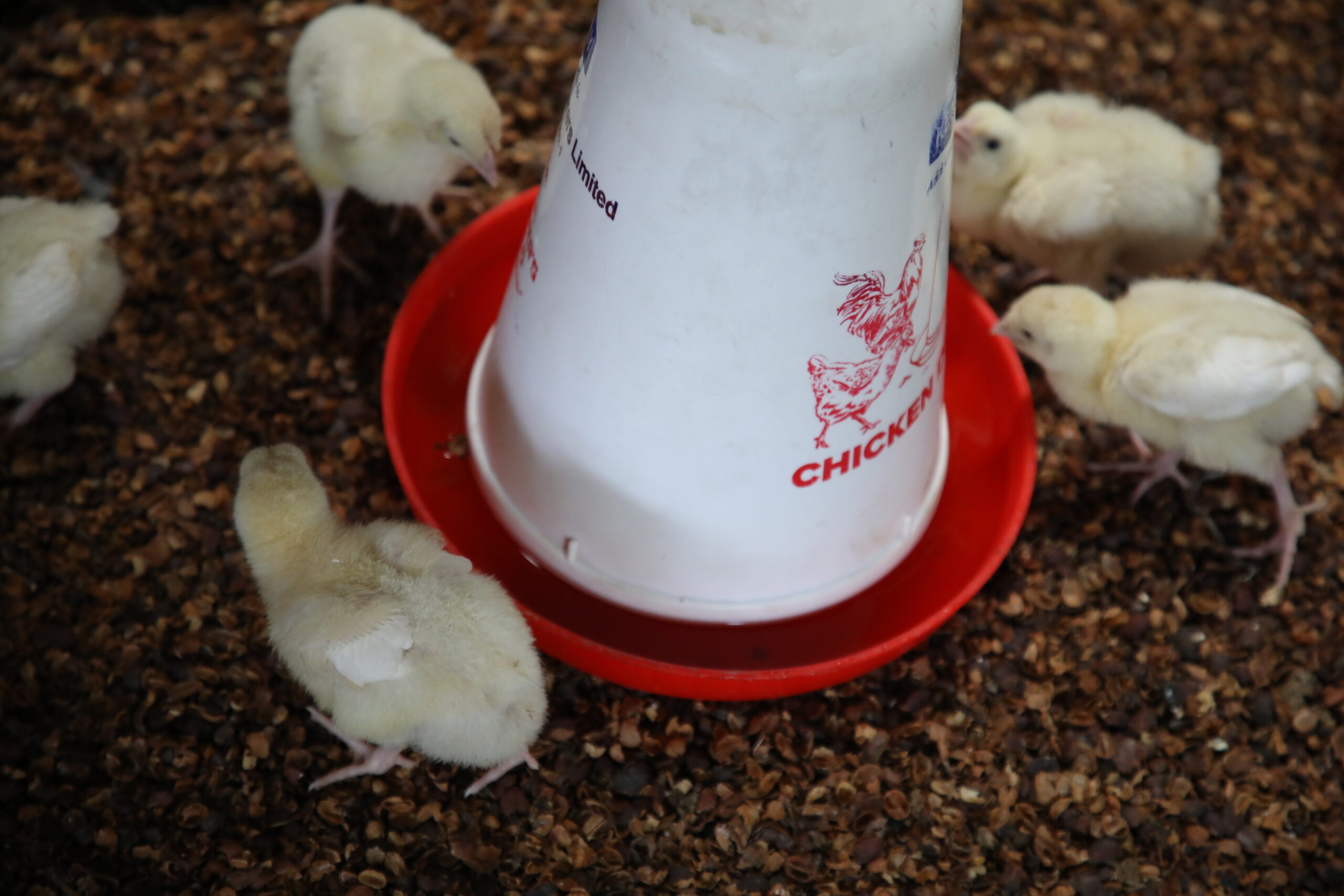
During heat stress, birds try to regulate body temperature through panting, increased water intake, and changes in normal body processes. This can affect the balance of important minerals known as electrolytes. Key electrolytes include: Sodium, Potassium & Chloride.These minerals help support water balance, nerve function, muscle activity, hydration, and normal body function.When chicks are stressed by excessive heat, they can lose or fail to properly maintain these important electrolytes. If the imbalance continues, the birds may become weak, dehydrated, and less active.
This is why heat stress is not only a temperature problem. It becomes a hydration, mineral balance, and performance problem.
Why dehydration is dangerous in broilers
Broilers grow very fast. This means their bodies demand constant access to water, feed, minerals, and proper temperature control. When broilers become dehydrated, several things can happen:
1.Feed intake drops
2.Growth slows down
3.Chicks become weak
4.Uniformity reduces
5.Mortality risk increases
6.Recovery becomes harder
7.Final market weight may be affected
A chick that is not drinking well will not eat well. A chick that is not eating well will not grow well. That is the simple chain many farms discover too late, usually after the birds have already made the financial damage official.
The role of electrolytes in managing heat stres
Electrolytes are not a replacement for proper brooding management. The first solution is always to correct the environment: temperature, ventilation, spacing, drinker access, and litter condition. However, during periods of heat stress, electrolyte support can help birds recover better by supporting hydration and replacing key minerals affected by stress. A good poultry electrolyte can help:
1.Support rehydration
2.Replace important minerals such as sodium and potassium
3.Encourage birds to drink
4.Support recovery after heat stress
5.Reduce the pressure caused by dehydration
6.Help birds maintain normal body function during stressful periods, This is especially useful during brooding, hot weather, transport stress, vaccination stress, and periods when birds show signs of reduced water intake.
Where Nutrinova’s Elec Oral fits in
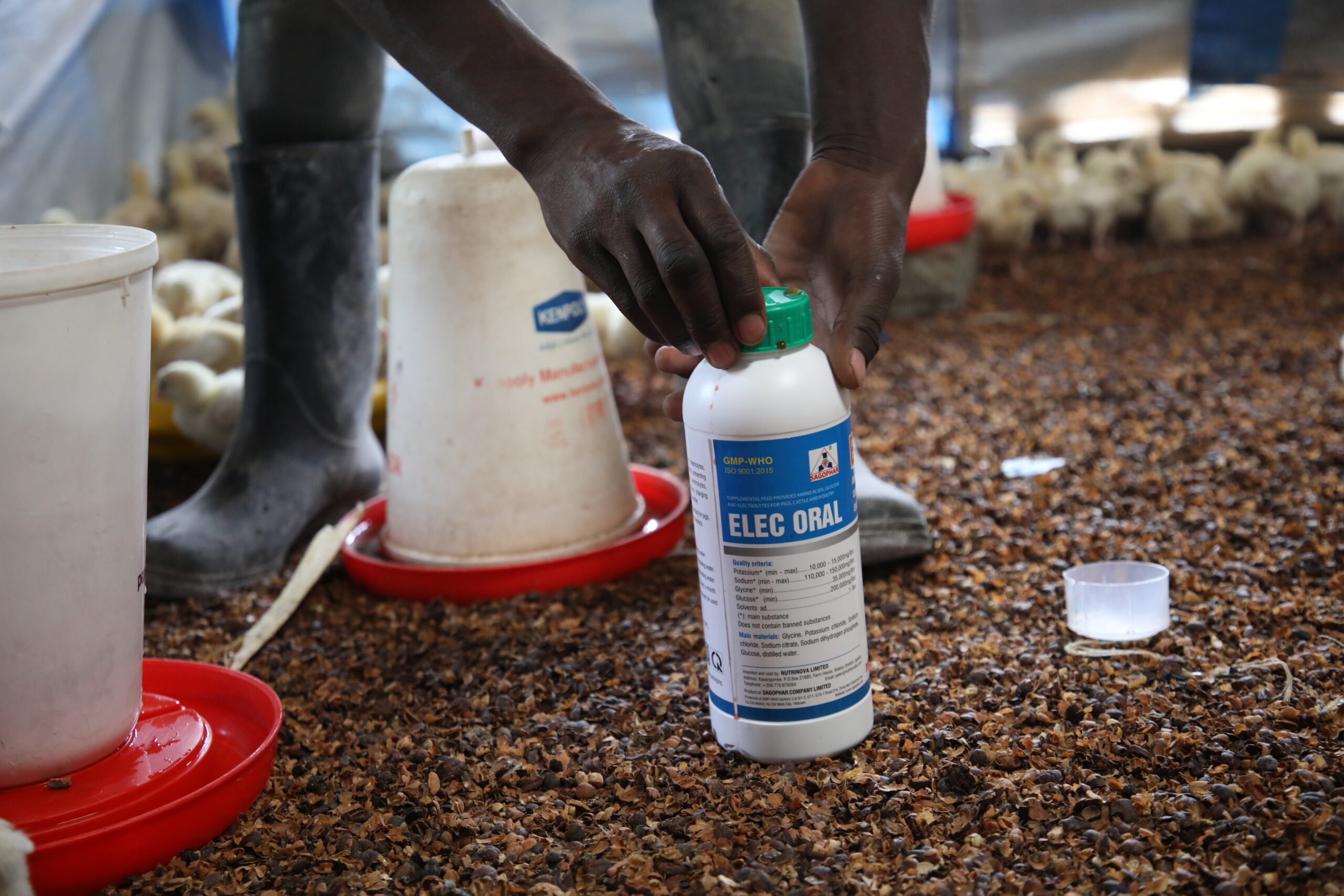
Elec Oral is designed to support poultry during periods of dehydration, heat stress, and electrolyte imbalance. It provides important electrolytes that help birds recover from stress and maintain better hydration.During brooding, Elec Oral can be used as support when chicks are exposed to excessive heat, poor drinking, dehydration risk, or heat-related stress.It is especially relevant when farmers notice:
1.Chicks panting due to excess heat
2.Birds becoming weak or dull
3.Reduced drinking after severe heat exposure
4.Signs of dehydrationStress after transport or placement
5.Heat stress during hot weather
6.Poor chick activity in the brooder
By supporting electrolyte balance and stimulating drinking, Elec Oral helps farmers respond early before stress becomes a bigger performance problem. Elec Oral supports, but management solves Farmers should not use electrolytes as an excuse to ignore brooder management. If the brooder is too hot, poorly ventilated, overcrowded, or badly managed, the problem will continue even after using electrolyte support.
The correct approach is:
1.Check brooder temperature
2.Observe chick distribution
3.Improve ventilation without creating cold drafts
4.Make sure water is clean, cool, and accessible
5.Reduce overcrowding
6.Correct drinker height and numberthe
7.Use electrolyte support where birds show signs of heat stress or dehydration
Elec Oral works best when used together with good brooding practice.
Speak to a Nutrinova representative today for guidance on better brooding management and how Elec Oral can support hydration, electrolyte balance, and recovery during stressful periods.