
Why Coccidiosis Programmes Stop Working
Coccidiosis is one of those poultry problems that quietly eats into performance before many farmers fully notice the damage. It affects the gut, reduces feed conversion, slows growth, affects egg production, and opens the door for other health challenges. Many farms have used the same coccidiosis control programmes for years, but today, some of those programmes are no longer giving the same results. This does not always mean the product is fake or weak. In many cases, the coccidia challenge on the farm has changed, and the organisms have become less sensitive to the same repeated control methods.
Repeating the Same Programme for Too Long
One of the biggest causes of resistance is using the same anticoccidial products or active ingredients over and over again without a proper rotation plan. When the same product is used continuously, the more sensitive coccidia are controlled, but the stronger ones can survive. Over time, those stronger strains multiply and become the main challenge on the farm. This is why a programme that worked well before can slowly become unreliable, especially on farms with heavy stocking, wet litter, or repeated coccidiosis outbreaks.
Poor Farm Conditions Increase the Pressure
Resistance is not only caused by the product used. The farm environment plays a big role. Wet litter, leaking drinkers, poor ventilation, overcrowding, and poor cleaning between flocks all increase the number of coccidia oocysts in the house. When birds are exposed to a very high challenge every day, even a good programme can struggle. This is where many farms get trapped: they keep changing treatments, but the real pressure is coming from the environment
Why Rotation Matters
Coccidiosis should not be managed only when birds start showing signs like bloody droppings, poor growth, dullness, or uneven flock performance. By that time, gut damage may already be affecting production. A stronger approach is to manage coccidiosis through prevention, rotation, litter control, water hygiene, good nutrition, and close observation of flock performance. Rotation helps reduce pressure on one type of treatment and gives the farm a better chance of maintaining long-term control.
The Role of Natural Support Solutions
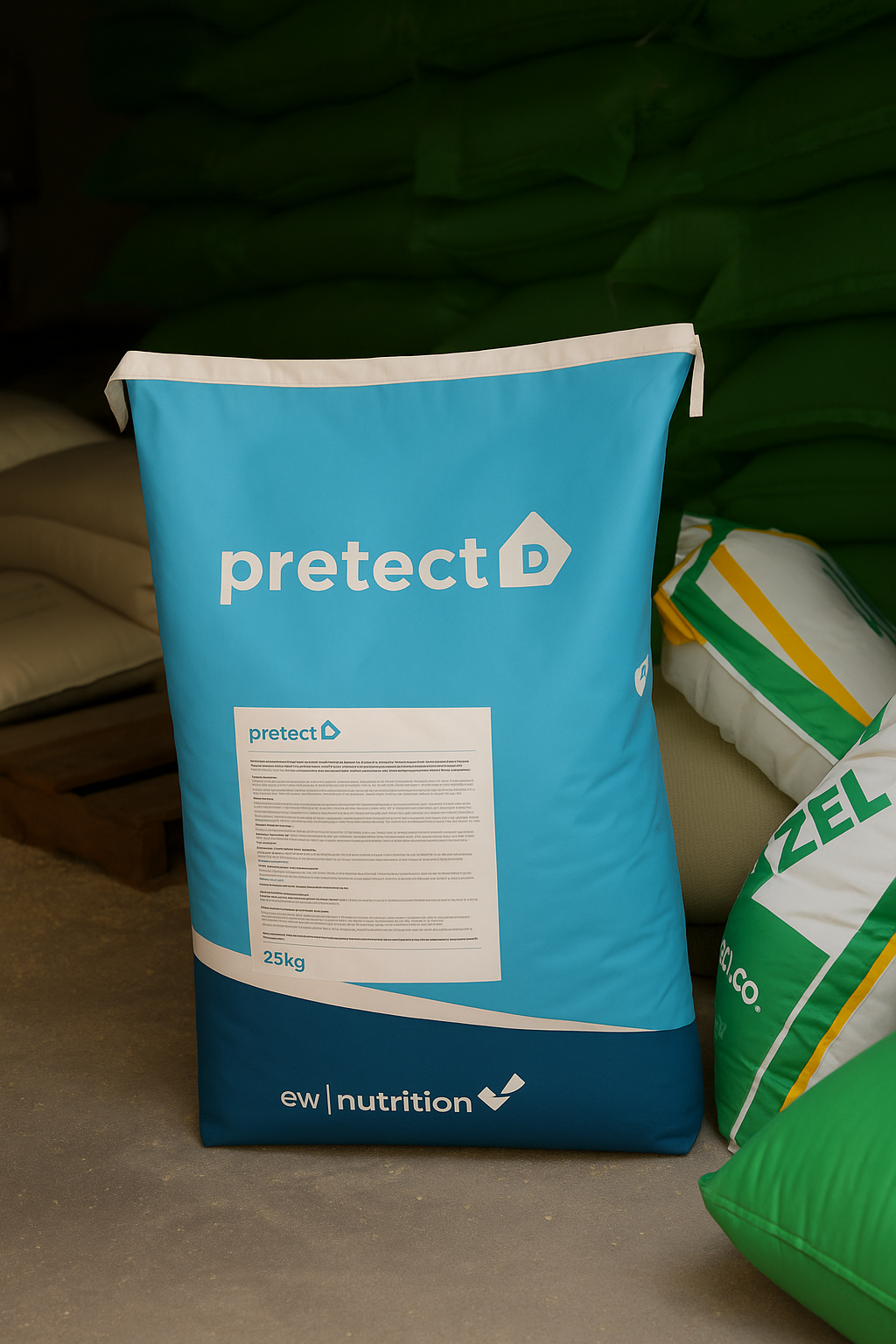
Natural solutions are becoming more important in coccidiosis management because they can support rotation programmes and reduce overdependence on the same conventional treatments. Plant-based additives, gut-supporting products, organic acids, and other natural technologies can help support gut health, improve bird resilience, and strengthen the overall control programme. The goal is not to wait for failure, but to build a smarter system that protects performance before losses become visible.
Learn More
Coccidiosis control is no longer about repeating the same programme and hoping for different results. Farmers need smarter rotation plans, better farm hygiene, and support solutions that protect gut health while reducing pressure on conventional treatments.Learn more about natural solutions that can support your coccidiosis rotation programme and help protect flock performance.